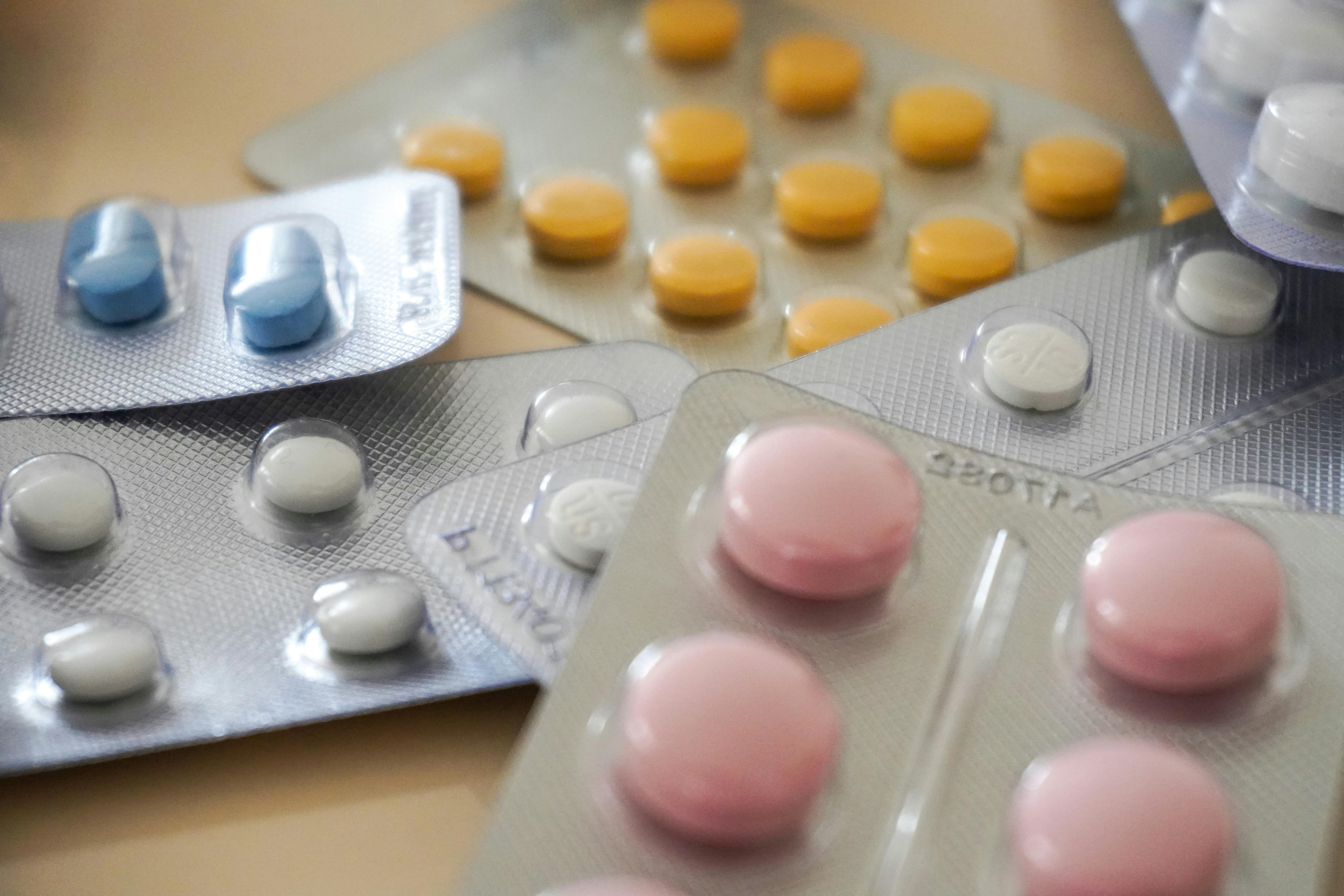
I Brought Actifed for My Ears on the Plane — Wait, Japan Confiscates This?
My ears get really plugged up whenever I fly. It actually got to the point where I was getting nervous about flying. That stuck, can't-pop feeling during takeoff and landing — anyone who's experienced it knows exactly what I mean. So before a Japan trip, I stopped by my neighborhood pharmacy and asked the pharmacist, "Is there anything I can take for that plane-ear pressure thing?" The pharmacist said she gets the same thing on flights and recommended Actifed. I bought one box, dropped it in my bag, and flew off to Yonago.
I took one pill about 30 minutes before takeoff and it actually worked. That hard, sealed-off feeling in my ears was almost gone. The trip went great and I came back to Korea. Nothing happened.
Then a while later, a friend of mine — who has the same plane-ear issue I do — said she was heading to Japan. I told her, "Take Actifed. It really worked for me on the plane." She looked at me and went, "You know Japan confiscates that, right?" Wait, what? I brought it last time and nothing happened. And it's something a Korean pharmacist actually recommended.
I was a little baffled, so I looked into it. Things turned out to be more nuanced than I expected. The short version: "absolutely banned" is a bit of an overstatement, but there are real things worth knowing.
What's in Actifed that makes Japan flag it?
Actifed contains two active ingredients: triprolidine (an antihistamine) and pseudoephedrine. Both help with runny nose, sneezing, and stuffy nose, but the one that causes the issue is pseudoephedrine.
Pseudoephedrine reduces swelling in the nasal and ear membranes. That's exactly why it helps with the plane-ear thing. But at the same time, it's a precursor used to make methamphetamine. The chemical structure is close enough that, when processed, it can become an illegal drug.
In Korea, it's sold over the counter at any pharmacy. Other countries handle it differently. The US and Australia control it with ID checks at purchase. Japan is stricter. So from Japan's perspective, a Korean tourist walking in with a full box of Actifed can look like, "Wait, that's a meth precursor."
So does Japan actually confiscate it?
This is the key part. My friend made it sound terrifying, but in reality it's not that dramatic. Japan goes by quantity. Up to roughly a one-month personal supply is fine to bring in. No declaration needed, no special certificate. A standard Actifed box (about 10 tablets) falls well within that limit.
That's why I didn't run into any trouble. I brought a single box, which is squarely inside the allowed range. I didn't get lucky — the amount was simply legal to begin with.
The people who actually get items confiscated tend to fall into a few patterns: bringing multiple boxes at once, repeatedly crossing the border with medication, or having other suspicious items in their luggage. A regular traveler with one personal-use box doesn't need to worry.
Still, if you want to bring it without any stress
Here's how to keep things smooth.
Bring the medication in its original packaging. Don't move the tablets into a ziplock or a separate pill organizer. Keep the box and the foil strips as they are. Japanese customs rarely touches Korean OTC medication that's still in factory packaging.
Stick to one box. Ten tablets are plenty for one round-trip flight. Bringing two or three boxes can make customs ask, "Why does this person have so much?"
Pack your bag neatly. If you have lots of medicine mixed in with random items, it looks messy on X-ray and invites attention. Group your meds in one spot and keep the box looking clean.
If you have prescription medication, bring a copy of the prescription. Actifed itself is OTC so you won't have one, but it helps for other meds.
You don't need pills for plane-ear
While I was explaining all this to my friend, I started thinking — if you're going to worry about it, you can just skip the medication. There are other ways.
The simplest is the pinch-and-blow trick. Close your mouth, pinch your nostrils, and gently exhale through your nose. Pressure builds up into your ears and pops them. It really does work during takeoff and landing. Feels weird the first time, but once you get the timing it's faster than waiting for a pill to kick in.
Chewing gum, yawning, and drinking water also all help. Swallowing frequently opens up your ear canals, so during takeoff and landing, just consciously swallow more often.
Pressure-equalizing earplugs exist too. You can find them at pharmacies or Daiso. No medication, just pressure control — great if you fly a lot internationally.
I'm thinking my next Japan trip I might just go with the pinch-and-blow method and gum instead. Even when it's well within the legal range, carrying meds always adds a low-level worry.
Wrapping up
The internet rumor that "Actifed is absolutely banned in Japan" is overstated. A single personal-use box pretty much always passes through. I brought one myself and nothing happened.
That said, knowing this versus not knowing it makes a real difference. Reasonable quantity, original packaging, neat bag. Stick to those three and you can travel with peace of mind. Nobody should be standing at Japanese customs sweating because of the pills they brought to deal with their ears.
And honestly, give the non-medication options a shot at least once. The pinch-and-blow thing really isn't much, but it helps more than you'd expect on a plane.